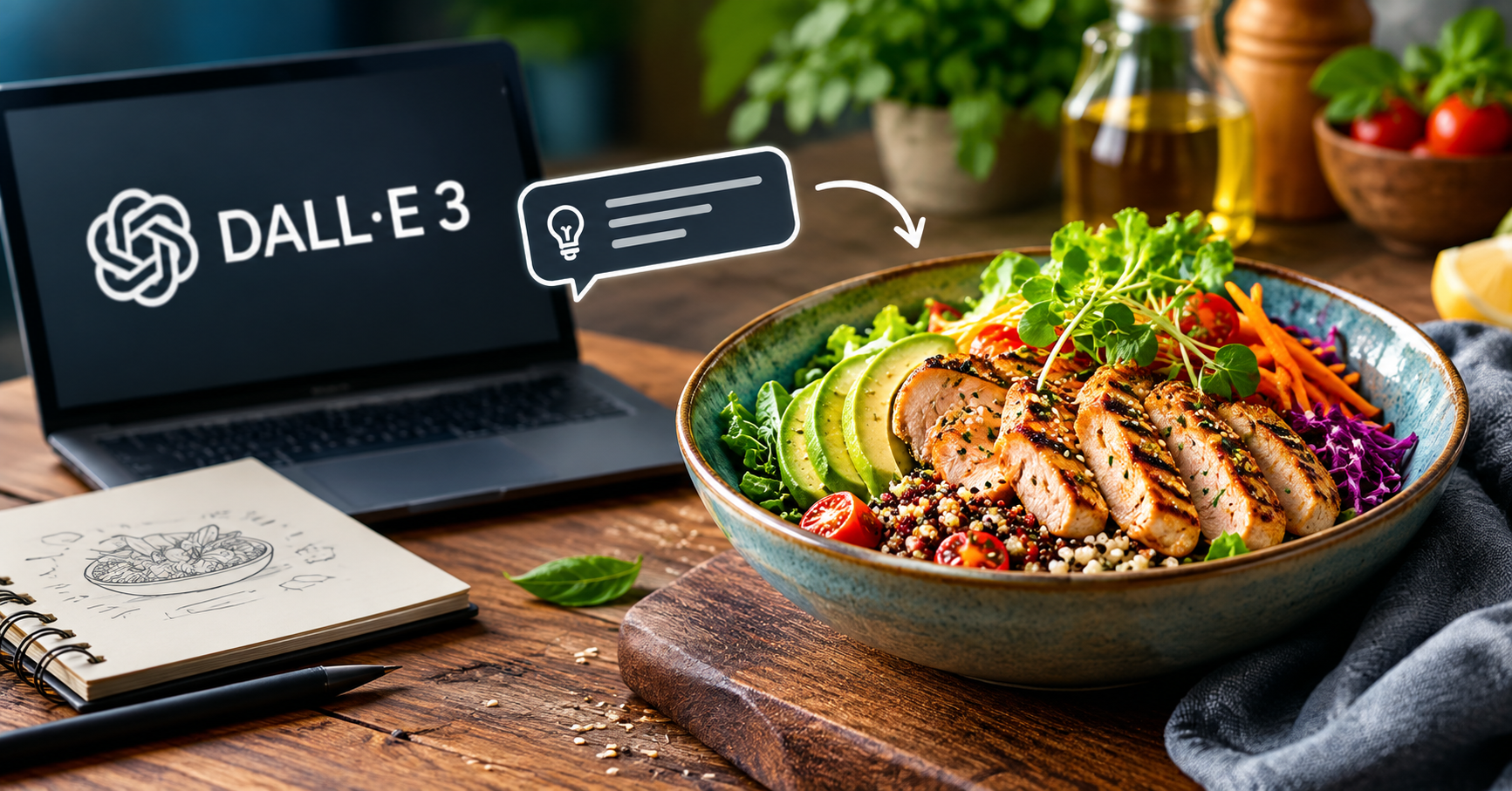

Food photography has always relied on natural light, perfect styling, and split-second timing. With DALL-E 3, creators can now generate stunning, restaurant-quality food imagery without a camera, a kitchen, or even real ingredients. Whether you’re building a food blog, designing a menu, or creating social media content, knowing how to craft the right prompts makes all the difference between a flat, generic image and one that looks genuinely appetizing.
This guide walks through the best prompt strategies and ready-to-use examples for generating professional food photography with DALL-E 3.
Why Prompt Structure Matters for Food Images
DALL-E 3 interprets natural language more literally than earlier AI image generators, which means vague prompts often produce vague results. To get realistic, magazine-worthy food shots, your prompts should include specific details about:
- The dish itself – ingredients, plating style, and garnish
- Lighting – natural, soft, dramatic, or studio lighting
- Camera angle – overhead, 45-degree, or close-up macro shots
- Background and surface – marble, wood, linen, or rustic textures
- Mood or style – minimalist, rustic, moody, vibrant, or editorial
Combining these elements gives the AI enough context to render textures like steam, glistening sauces, or crumb detail that make food photography believable.
Top DALL-E 3 Prompts for Different Food Styles
1. Overhead Flat-Lay Shots
Flat-lay photography is popular for recipe blogs and Pinterest-style content. Try prompts like:
“A top-down flat-lay photo of a fresh Mediterranean salad bowl with cherry tomatoes, feta, olives, and cucumber, shot on a marble countertop with natural daylight, soft shadows, minimalist styling.”
This style works well because overhead shots reduce the need for complex depth-of-field rendering, giving DALL-E 3 fewer chances to distort proportions.
2. Close-Up Macro Food Shots
Macro shots highlight texture — think melting cheese, syrup drizzle, or flaky pastry layers.
“An extreme close-up macro shot of a chocolate lava cake with molten chocolate oozing out, dusted with powdered sugar, warm studio lighting, shallow depth of field, dark moody background.”
Macro prompts should always mention texture words like “glistening,” “oozing,” “crisp,” or “flaky” to push the model toward richer detail.
3. Rustic and Homestyle Food Photography
For blogs focused on comfort food or home cooking, rustic aesthetics perform well:
“A rustic wooden table with a homemade apple pie, slightly imperfect crust, steam rising, surrounded by scattered cinnamon sticks and apples, warm golden-hour lighting, cozy autumn atmosphere.”
4. Studio-Style Product Photography
E-commerce and packaging often need clean, isolated food shots:
“A studio product photo of a stack of pancakes with syrup dripping down the sides, isolated on a white background, professional food photography lighting, high resolution, commercial style.”
5. Beverage and Drink Photography
Drinks require attention to condensation, reflections, and color vibrancy:
“A tall glass of iced lemonade with condensation droplets, garnished with mint and lemon slices, placed on a wooden table with soft bokeh background, bright summer lighting.”
Tips for Getting More Realistic Results
Be specific about lighting. Phrases like “soft window light,” “golden hour,” or “diffused studio lighting” consistently outperform generic terms like “good lighting.”
Mention the camera perspective. Including terms like “45-degree angle,” “eye-level shot,” or “top-down view” helps DALL-E 3 understand composition.
Add texture-driven adjectives. Words such as “crispy,” “juicy,” “glazed,” or “caramelized” push the model to render more convincing surface detail.
Avoid overcrowding the prompt. Long, run-on prompts with too many competing details can confuse the model. Stick to one dish, one style, and one mood per prompt.
Iterate in small steps. If an image looks close but not quite right, refine only one variable at a time — lighting, angle, or background — rather than rewriting the entire prompt.
Common Mistakes to Avoid
Many users get inconsistent results because they either overload prompts with conflicting styles (e.g., “minimalist but busy and colorful”) or forget to specify a background, leaving the AI to default to plain, uninteresting settings. Another common issue is neglecting lighting direction, which often results in flat, shadowless images that look artificial rather than photographic.
It also helps to specify food state realism — for example, whether ice cream should look “freshly scooped” versus “slightly melting,” since these small cues significantly affect how natural the final image appears.
Practical Uses for AI-Generated Food Photography
AI-generated food images are increasingly used for:
- Food blogs and recipe websites needing consistent visuals
- Restaurant menus and social media promotions
- Cookbook mockups and packaging design concepts
- Advertising and marketing campaigns for food brands
- Stock photography alternatives for content creators
Because DALL-E 3 can generate multiple variations quickly, it’s especially useful for testing visual concepts before committing to a professional photoshoot.
Final Thoughts
Creating stunning food photography with DALL-E 3 comes down to prompt precision. By clearly describing the dish, lighting, angle, and mood, you can consistently generate images that rival professional photography — without needing a camera or a food stylist. Start with the prompt templates above, then experiment with your own variations to match your brand’s unique visual style.
With practice, prompt engineering for food photography becomes an intuitive skill, opening up new creative possibilities for bloggers, marketers, and designers alike.

Leave a Reply