
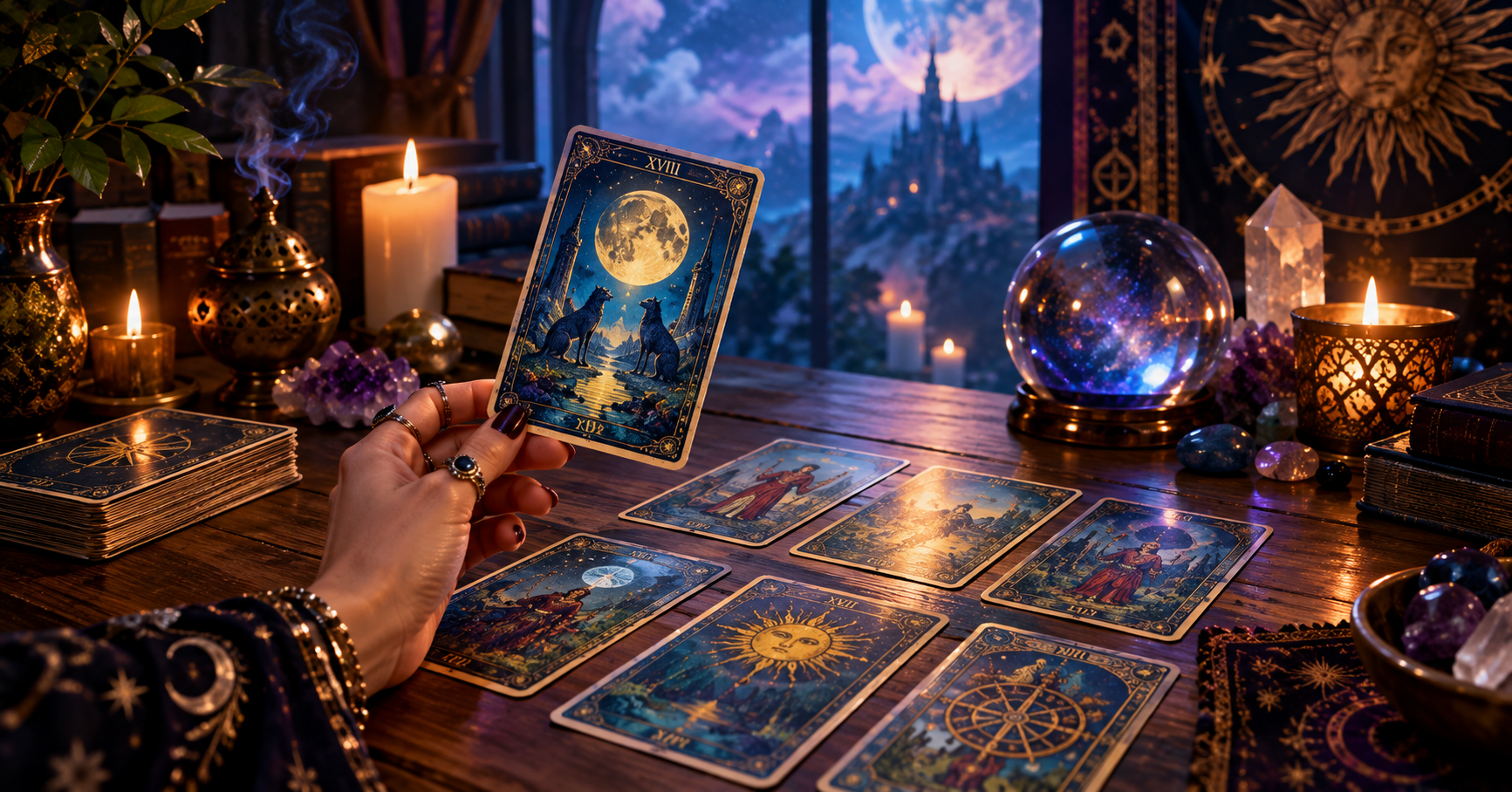

Tarot-inspired art has become one of the most popular niches for AI image generation. The blend of symbolism, rich color palettes, and dreamlike composition makes it a favorite subject for artists, content creators, and hobbyists experimenting with tools like Midjourney, Stable Diffusion, and DALL-E. But getting that authentic “mystical” look isn’t just about typing a card name into a prompt box — it requires the right combination of style cues, lighting language, and symbolic detail. Below is a practical guide to crafting prompts that consistently produce striking tarot and mystical artwork.
Why Prompt Structure Matters More Than Keywords
Many beginners assume that stacking mystical-sounding words together — “magic,” “spiritual,” “cosmic” — is enough to get a tarot-style image. In reality, AI models respond best to structured prompts that separate subject, style, lighting, composition, and medium. A well-organized prompt typically follows this order:
- Subject — who or what is depicted (a figure, an object, a symbolic scene)
- Style reference — the artistic tradition or aesthetic (Art Nouveau, Rider-Waite, gothic illustration)
- Color and lighting — the mood-setting elements (gold leaf accents, moonlit glow, deep jewel tones)
- Composition details — framing, borders, symmetry
- Medium — ink illustration, digital painting, engraving, watercolor
Following this order gives the AI clearer guidance and reduces the need for repeated regenerations.
Core Prompt Formulas for Tarot Art
Here are several tested prompt templates you can adapt for different cards or themes:
Classic Rider-Waite Style
“A mystical tarot card illustration of [subject], inspired by Rider-Waite deck symbolism, ornate gold border, muted jewel-tone palette, flat illustrative linework, symbolic imagery, vintage esoteric book illustration style.”
Dark Gothic Mysticism
“A gothic tarot card design featuring [subject], dramatic chiaroscuro lighting, deep crimson and black palette, intricate filigree border, candlelit atmosphere, engraved illustration texture, occult grimoire aesthetic.”
Celestial / Cosmic Style
“A celestial tarot card of [subject], surrounded by swirling constellations and nebula clouds, iridescent color palette, soft glowing light, delicate line art, dreamlike astral symbolism, ethereal digital painting.”
Art Nouveau Mystic
“A tarot card illustration in Art Nouveau style depicting [subject], flowing organic linework, floral motifs, muted pastel and gold tones, symmetrical composition, decorative border, Alphonse Mucha-inspired aesthetic.”
Nature-Based Witchcraft Style
“A botanical tarot card of [subject], surrounded by herbs, moonflowers, and woodland symbolism, earthy green and amber palette, hand-drawn ink illustration, cottagecore witch aesthetic, delicate linework.”
Swap out [subject] with your card concept — for example, “a hooded figure holding a lantern” for The Hermit, or “a crowned woman seated between two pillars” for The High Priestess.
Adding Symbolic Depth
Tarot art relies heavily on symbolism, and mentioning specific elements can dramatically improve accuracy. Consider layering in:
- Objects: chalices, swords, pentacles, wands, keys, hourglasses
- Creatures: owls, serpents, ravens, wolves, moths
- Celestial elements: crescent moons, eclipses, star charts, zodiac wheels
- Natural elements: roses, thorns, oak trees, rivers, mountains
For example: “A tarot card of a robed woman holding a lantern, standing beneath a crescent moon, surrounded by owls and wilting roses, ornate silver border, muted twilight palette.” This level of detail helps the model produce a composition that feels intentional rather than generic.
Lighting and Atmosphere Keywords
Lighting language is one of the most underused tools in mystical art prompting. Try incorporating:
- “candle-lit glow”
- “moonlit silhouette”
- “soft golden hour haze”
- “ethereal backlighting”
- “smoky incense atmosphere”
- “starlit shimmer”
These phrases push the model toward atmospheric depth rather than flat, evenly lit renders, which is essential for a convincing mystical tone.
Negative Prompts Worth Using
If you’re working with a platform that supports negative prompts (like Stable Diffusion), excluding certain elements can clean up results significantly. Common exclusions include:
- “blurry, distorted hands, extra limbs”
- “modern clothing, photorealistic skin texture”
- “text, watermark, signature”
- “cartoonish, overly saturated colors”
This keeps the focus on painterly, illustrative quality rather than photorealism, which tends to break the tarot aesthetic.
Tips for Consistent Deck-Style Output
If you’re designing a full tarot deck rather than a single image, consistency across cards is crucial. To maintain a unified look:
- Reuse the same style and border description in every prompt
- Keep the color palette instructions identical across cards
- Specify the same medium (e.g., “gouache painting” or “linocut print”) throughout
- Use a consistent aspect ratio and framing instruction
A locked “style anchor” phrase — such as “in the style of an antique illustrated grimoire, gold filigree border, muted parchment background” — appended to every prompt will help unify the entire deck visually.
Final Thoughts
Creating compelling tarot and mystical artwork with AI comes down to precision, not just inspiration. By structuring prompts around subject, style, lighting, and symbolism — and refining with negative prompts where needed — you can produce artwork that feels authentic to centuries-old esoteric traditions while still being entirely original. Whether you’re designing a personal deck, illustrating a mystical blog, or creating standalone art pieces, these prompt formulas offer a strong foundation to build on and customize to your own aesthetic vision.
Leave a Reply